
Updated: January 21, 2026
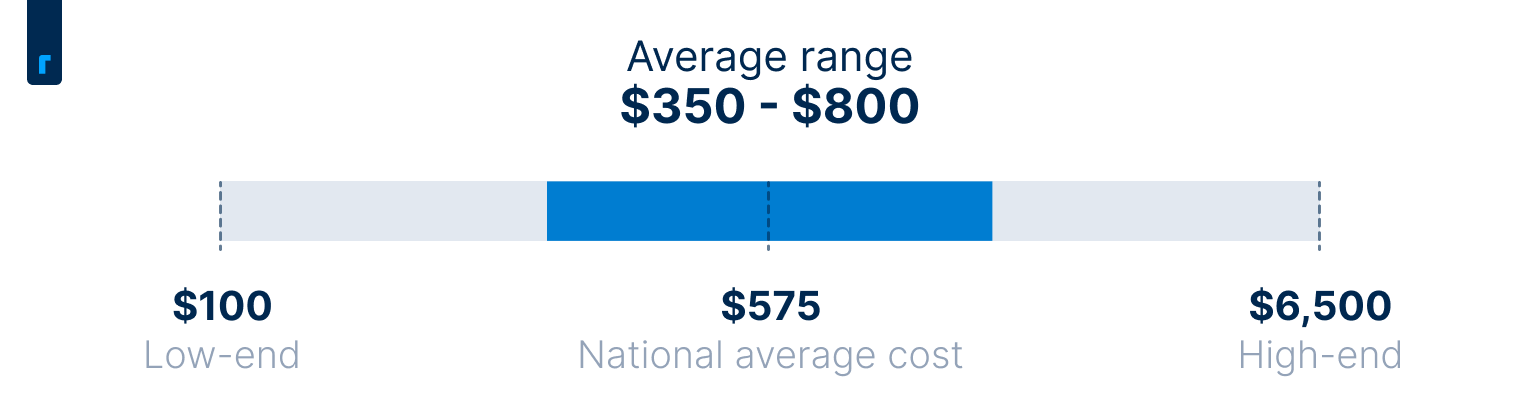
The average cost to replace a vinyl window is $575, and most vinyl windows cost somewhere between $350 and $800. Your vinyl window price will depend mostly on the type of window you’re replacing, the size of the window you need, the type of glass you choose, and whether you buy a prefab or custom window.
Vinyl windows are the most popular type of windows because they balance affordability with energy efficiency. They’re also relatively low-maintenance, they’re somewhat easy to repair, and they stand up well to extreme weather, so they offer good value all around.
Average Cost of Vinyl Replacement Windows
Vinyl Windows Cost Factors
A single vinyl window can cost anywhere from $100 to $6,500, and there are many different cost factors that will determine where your total will fall within that range.
Number of Windows
The number of windows you’re replacing will affect your total, with each additional vinyl window adding an average of between $350 and $800 to your costs. Some window manufacturers offer per-window discounts that increase with the number of windows you order, and some installers discount your labor costs based on volume.
The table below includes general pricing based on the number of vinyl windows you need replaced, but keep in mind that these costs don’t include potential discounts, which can vary widely.
Number of Windows | Total Average Cost |
1 | $350 – $800 |
5 – 10 | $1,750 – $8,000 |
11 – 20 | $3,850 – $16,000 |
21 – 25 | $7,350 – $20,000 |
Window Type
The type of window you’re installing is also a major cost factor, as it dictates the complexity of the installation, the complexity of the window itself, and often the size of the window.
For example, vinyl hopper costs can sit as low as $100 each, as they’re small, easy to handle, and have simple opening mechanisms. A vinyl bow window can cost as much as $6,500, as it’s a large window that requires multiple laborers or special equipment to maneuver into place.
Picture windows are the most energy-efficient because they don’t have movable sashes that rely on seals. Casement windows are the next most energy-efficient because they compress internal weatherstripping.
Window Size
The size of your window will affect both material and labor costs. Larger windows require more frame and glass materials, and they’re also harder to maneuver into place and may require multiple laborers, which can double or triple your labor costs. Very large windows, like bay and bow windows, may even require cranes or window lifts for a safe installation on a second floor.
Window size is closely related to the type of window you’re installing. Hopper and transom windows are always small, double-hung and single-hung windows are medium, and even smaller bay and bow windows are large.
Window Size | Average Cost per Window |
Small | $100 – $650 |
Medium | $400 – $2,000 |
Large | $800 – $6,500 |
Brand
The brand of window you choose will affect material costs, with high-end brands like Harvey and Andersen usually costing more than budget-friendly brands like Jeld-Wen and Milgard. Some brands, like Andersen, also offer better warranties if you use one of their certified installers, and going that route can drive labor costs higher, too.
Prefab vs. Custom
Prefab windows are windows that come in predetermined sizes from the manufacturer. They cost significantly less than custom windows because they’re mass-produced. If you have non-standard window sizes or want unique shapes, you’ll need to order custom windows, which can increase per-window costs by up to 50%. You’ll also wait longer between ordering custom windows and the delivery date.
Glass and Pane Type
Just like with any other window frame material, you’ll have options for the type of glass you have in your vinyl window frames. Double-pane glass is the most common, as it balances upfront cost and energy efficiency. Single-pane vinyl windows cost much less, but they’re not ideal for efficiency, even in most moderate climates. Triple-pane windows maximize efficiency, savings on utility bills, and sound insulation, but they’re the most costly.
You can also choose from different glass types and treatments, like low-emissivity (low-E) coatings or window tinting for boosted efficiency in sunny climates, tempered glass for safety, or laminated glass for improved security. Prices for options will fluctuate widely based on your window manufacturer.
Labor Cost to Install Vinyl Windows
You should expect to pay an average of between $150 and $300 for labor to install a single vinyl window, although labor costs can climb to $800 for large windows, like bow or bay windows.
Labor costs will vary based on the complexity of the installation, how accessible the window is from inside and outside your home, and even on where you live, as labor costs scale with the local cost of living. Anything that makes the job take longer, like installing on a second floor or unexpected framing damage around your old window that needs repairs, will drive labor costs higher.
Additional Costs and Considerations
There are some additional cost factors you should think about to get the most accurate estimate possible, as well as a few important considerations before hiring a pro.
New construction vs. replacement: Installing a window in new construction is typically cheaper because there’s no need to remove and dispose of an existing window, which reduces labor time and complexity.
Disposal fees: Some installers include haul-away costs in their estimate, but others charge extra. Ask your contractor whether disposal fees are included so you can budget accurately, but expect to pay between $50 and $200 per window.
Location and accessibility: Labor costs vary by region and tend to be higher in major cities, and hard-to-reach windows, such as second-floor or basement window well installations, also cost more due to the extra time and labor required.
Permits and inspection fees: Most municipalities require permits for window replacement. Expect to pay between $50 and $300 in permit fees, depending on where you live and the size of your project.
Hidden repairs: You might want to budget extra for unexpected repairs in case your window pro finds hidden water damage, mold growth, or wood rot when removing your old window. Any damage should always be repaired before installing the new window.
Color: Vinyl window frames are available in a variety of stock colors, which can add some intrigue to your home’s curb appeal without having to paint them yourself. Color options sometimes add to your material costs, though.
Changes to your wall opening: If you’re changing the size or shape of your window, expect to pay significantly more to have your pro adjust your wall opening.
How to Save Money on Vinyl Windows Installation
Vinyl windows are a relatively affordable option, but prices can still climb to $6,500 per window in some cases. Luckily, there are some ways to save money on window installation to keep your project affordable.
Replace multiple windows at once: Each additional window you replace will add to your total, but many manufacturers and installers will offer bulk discounts, so you’ll spend less on a per-window basis and save over time.
Choose standard sizes: Custom vinyl windows cost up to 50% more than prefab vinyl windows. Go with standard window sizes and shapes, if possible.
Don’t change your window size: Resizing your wall to accommodate a different window size can add hundreds of dollars to your total.
Get multiple quotes: Get window replacement estimates from at least three installers to find the best value. You should also consider different brands, too, but be sure to balance upfront cost with quality for both immediate and long-term savings.
Time your window replacement: Window replacement contractors are busiest in the summer, so waiting for the spring or fall may lead to reduced labor costs due to lower demand.
Consider DIYing some of the work: You can save between $50 and $200 per window in labor fees if you remove your old window and haul it away yourself.
Vinyl Window Pros and Cons
Vinyl windows are the most popular type of windows for many reasons; they offer some appealing benefits and balance upfront cost and efficiency well. However, there are some drawbacks to consider, too.
Pros
- + Lower cost than other window materials while still offering good performance and long-term value.
- + Requires very little maintenance, and repairs are usually simple.
- + Offers good energy efficiency for the price and works well in most climates.
- + Holds up well in harsh weather compared to some other materials.
Cons
- - Shorter lifespan than fiberglass or composite, typically 20 to 40 years.
- - Can warp in extreme temperature swings, reducing efficiency over time.
- - Not environmentally friendly and harder to recycle than wood or aluminum.
DIY vs. Hiring a Professional
It’s possible to DIY window installation, but it’s always best to leave the work to a pro. Even minor mistakes when installing a window can lead to major property damage from leaks and the wood rot and mold growth they can cause, and air gaps can mean decreased home energy efficiency and higher heating and cooling bills.
Vinyl is a lightweight material, so DIYing vinyl window installation will be easier than with wood, fiberglass, or composite windows. However, windows, especially larger ones, are bulky and heavy, so leaving the work to a pro will avoid personal injury and mistakes that can damage your windows. Labor costs to install vinyl windows can get expensive, but it’s well worth the investment, especially if the window you’re installing is large or is located on the second floor.
Vinyl Windows vs. Other Materials
It’s a good idea to have a thorough understanding of how different window frame materials compare before you choose which to install in your home. Vinyl is the most popular, but you may want to consider wood for a more traditional and customizable look, aluminum for a lower upfront cost, or composite or fiberglass for maximum energy efficiency. Use the table below to compare your options at a glance and decide which one works best for you.
Average Cost Per Window | Lifespan (years) | Energy Efficiency | Maintenance Requirements | |
Aluminum | $200 – $800 | 40 – 50 | Low | High |
Composite | $300 – $2,500 | 30 – 50 | High | Low |
Vinyl | $350 – $800 | 20 – 40 | Moderate | Low |
Fiberglass | $400 – $1,500 | 25 – 50 | High | Low |
$600 – $2,000 | 30 – 60 | High | High |
FAQs
The two primary drawbacks of vinyl windows are that they have a shorter lifespan than wood, composite, and fiberglass windows, and that they can warp in extreme temperatures. Vinyl is also not an environmentally-friendly material, and it’s not the most insulative, so it’s not always suitable for extreme climates.
Vinyl windows last for between 20 and 40 years, in most cases. Lifespan depends on the brand and quality, the climate in your area, and how well you keep up with maintenance. Vinyl windows don’t last as long as many other types, but they’re more affordable and provide good value and longevity for the money.
On average, you can expect to spend between $350 and $800 per vinyl window you need to install. This cost range is appropriate for standard double-hung windows, as well as standard-size casement and picture windows. You could spend as little as $100 for a vinyl hopper window or as much as $6,500 for a vinyl bow or bay window.
Yes, double-pane vinyl windows cost more than single-pane vinyl windows, but they pale in comparison to triple-pane vinyl window costs. Double-pane vinyl windows are the standard and represent average vinyl window costs, as they have two panes of glass with a sealed layer of insulative gas between them for boosted energy efficiency.
It’s technically possible to install vinyl windows yourself, and since vinyl is a lightweight material compared to wood, composite, and fiberglass, maneuvering a vinyl window will be easier than most other options. However, you should always defer to a professional for window installation to avoid air and water leaks, pest infestations, and other issues that can stem from mistakes.
Yes, black vinyl windows usually cost more than white vinyl windows. White vinyl windows are the standard, so you’ll have more prefabricated options and usually a lower cost due to the high supply. Black vinyl windows are growing in popularity, but they still require different manufacturing techniques and come at a higher cost per window.
Yes, installing Energy Star-certified vinyl windows can significantly lower your utility bills. Upgrading to efficient windows can reduce heating and cooling costs by an average of 12% to 13%. Because vinyl is a thermoplastic that naturally resists heat transfer, it provides a superior thermal barrier compared to aluminum, though you should expect a lifespan of 20 to 40 years before the material begins to warp or lose its seal.