
Updated: January 12, 2026
Written by Dan Simms
Dan was a property manager from 2015 to 2020, during which time he managed and oversaw the upkeep and repairs of over 2,000 residential properties. He uses that experience, as well as his extensive DIY knowledge, to bring reliable information to homeowners about renovations and home-related projects. Since 2020, he has been using his experience to write about home improvement, and his work has appeared on sites like USA Today, CNN, Angi, and Today’s Homeowner.
Learn moreReviewed by Dan Simms
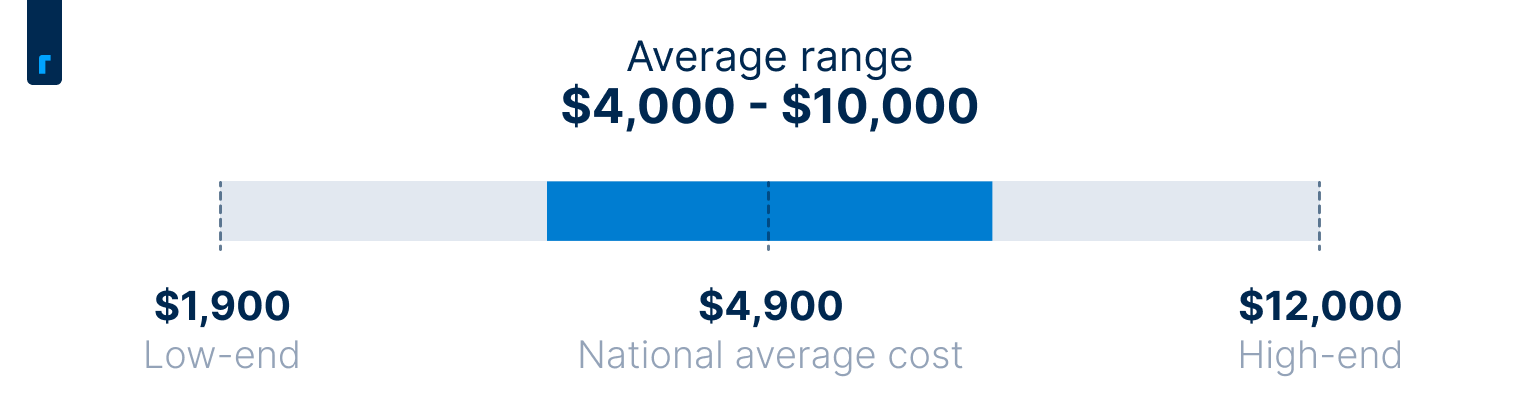
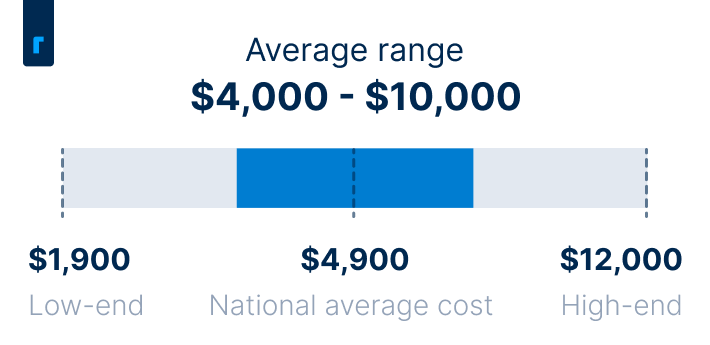
The average cost of an oil furnace is $4,900, and most homeowners pay somewhere between $4,000 and $10,000, including materials and labor. The size and efficiency of your furnace are the most crucial cost factors to consider, but accessibility to the installation area, necessary changes to ductwork, and potential oil tank modifications can all play a role, as well.
Oil furnaces are popular heating systems in regions where natural gas isn’t available, as well as for homeowners who already have an oil-fired system and want to upgrade to a higher-efficiency model.
New Oil Furnace Cost
Cost Factors
You could pay as little as $1,900 for a new oil furnace or as much as $12,000. To figure out where your price will fall in that range, you’ll need to think about a few important factors, like furnace efficiency, unit size and capacity, brand, and installation challenges that can affect labor costs.
Oil Furnace Replacement Cost by Efficiency
The efficiency of your furnace can make a big difference in your unit cost, with high-efficiency models costing more upfront but potentially saving you money on fuel over time. Furnace efficiency is expressed as the Annual Fuel Utilization Efficiency (AFUE), which tells you how much fuel your unit will consume to provide a certain level of heat.
Older oil furnaces can have AFUE ratings in the 50% to 60% range, but the new minimum efficiency is 80%. A high-efficiency oil furnace has an AFUE rating of 90% or more.
The table below includes new oil furnace prices based on efficiency rating. High-efficiency models cost more for the equipment and usually for the installation labor, as they often require additional venting and condensate drain installation. While high-efficiency models are more expensive, maximizing heating efficiency can save up to 50% on your utility bills, according to the U.S. Department of Energy.
Efficiency | Typical Cost Range |
Standard (80–87% AFUE) | $3,500 – $7,500 |
High (90% AFUE or higher) | $6,000 – $10,000 |
Cost of a New Oil Furnace by Size
The size of your oil furnace can also make a big difference in installation costs. Furnace size is measured in British Thermal Units (BTUs), and you need to match your furnace size with your specific home for good efficiency and smooth operation.
You can use the table below to get an idea of the size you need and what your oil furnace will cost based on your home’s square footage. However, you should always have a professional perform a Manual J calculation to determine the ideal size for your situation. A pro will consider square footage, ceiling height, home age, insulation quality, climate, and more to ensure your system is sized appropriately.
Home Size (Sq. Ft.) | Average BTUs Needed | Installation Cost Range |
1,000 | 30,000 – 60,000 | $3,500 – $6,000 |
1,500 | 45,000 – 90,000 | $4,000 – $7,000 |
2,000 | 60,000 – 120,000 | $4,500 – $8,000 |
2,500 | 75,000 – 150,000 | $5,500 – $9,000 |
3,000 | 90,000 – 180,000 | $6,500 – $12,000+ |
New Oil Furnace Cost By Brand
The cost of your unit will, in part, be determined by the brand of furnace you choose to install. Brands vary based on upfront cost but also quality, reliability, longevity, and warranty coverage, so you should think carefully about which brand suits you rather than just basing your decision on cost.
High-end brands like Adams and Kerr will likely push your cost above the national average, while budget-friendly brands like American Standard, Blueridge, and Carrier will help keep costs low.
Labor Cost
Labor will make up the rest of your costs and will account for between 30% and 60% of your total. Installation takes between 4 and 12 hours, with per-hour rates between $75 and $150, in most cases.
Labor costs vary by location, usually fluctuating based on the local cost of living, so you should expect higher per-hour costs in and around major cities and in states with a higher cost of living. Anything that makes the job take longer, like installation in a cramped utility closet, modifications to your oil tank, or adding condensate lines or ventilation systems, will also increase labor costs.
Additional Costs to Replace an Oil Furnace
There are some other minor cost factors you should consider if you want to cover all of your bases and get the most accurate estimate possible.
Old furnace removal and disposal: Disconnecting your old furnace and hauling it away can add between $50 and $400 to your total. Some pros include this in their estimates, though.
Oil tank replacement and maintenance: If you need to replace your oil tank due to leaks, old age, or corrosion, expect to add $1,000 to $4,600 to your total to replace an above-ground or indoor tank or $1,500 to $6,000 to replace an underground tank.
Ductwork modifications: Upgrading or sealing old ducts can reduce energy losses and utility bills by 20 to 30%. You may need to pay for repairs or minor replacements of damaged sections, which typically cost $25 to $55 per linear foot. The average cost to install or replace ductwork in a home ranges from $1,400 to $6,000, depending on the size of the system and the extent of the work..
Permits and inspections: Most cities require permits for major upgrades to HVAC systems, including furnace replacement. Expect permit costs to total between $50 and $1,500, depending on where you live.
Chimney liner and venting upgrades: High-efficiency units vent cooler gases because they recapture heat from the exhaust. This can create issues with poor venting and condensation, so you may need to pay extra for powered venting systems or condensate lines if you go for a high-efficiency unit.
Other system updates: Depending on how old your existing furnace is, you may need electrical upgrades alongside your furnace replacement to support the new load. You might also want to budget for a smart thermostat, which typically costs between $185 and $600, to help maximize your home’s energy efficiency.
Asbestos inspection or abatement: If your old furnace or flue pipe has asbestos insulation, you may need to budget extra to have the hazardous material removed. Costs for inspection typically range from $250 to $800, while abatement costs vary widely depending on how much you need removed.
Oil Furnace Cost per Month
The average home in the U.S. that has oil heat uses 507 gallons of oil per year, according to data from the U.S. Energy Information Administration (EIA). The most recent national average cost per gallon of home heating oil from the EIA is $3.63, which means the average total amount spent on home heating oil per year per household is $1,840.41. Monthly costs range widely with differences in outdoor temperature, but the average monthly cost is $153.37.
To keep an oil furnace running efficiently and avoid costly breakdowns, annual maintenance is essential. A typical cleaning and tune-up costs $200 to $850, helping ensure the system operates safely, efficiently, and reliably throughout the heating season.
Ways to Save on Oil Furnace Costs
Since oil furnace installation costs can reach up to $12,000, it’s a good idea to look for ways to help you save on the project.
Have a professional size your system: Getting your system size right can reduce the risk of breakdowns, minimize wear and tear, and maximize efficiency for long-term savings.
Look for rebates and incentives: Check the ENERGY STAR database for oil furnaces and see if you can qualify for tax credits, rebates, or other perks.
Choose a high-efficiency model: A furnace with an AFUE rating of 90% or higher will cost more upfront but can save substantially on utility bills over time, especially if you live in a very cold climate.
Get multiple estimates: Get quotes from at least three HVAC pros in your area to find the best deal from a reputable company.
Keep up with regular maintenance: Annual tune-ups can improve efficiency, prevent costly repairs, and extend the life of your furnace.
Upgrade home efficiency at the same time: Investing in upgraded insulation, new windows, air duct sealing, or a smart thermostat can maximize efficiency and reduce fuel costs over time.
DIY vs. Hiring a Pro
Replacing a furnace is not a job you should attempt to DIY. Not only is working with oil and electricity dangerous, but it’s also easy to make mistakes that can lead to premature breakdowns, system inefficiency, and even unsafe air quality if ventilation isn’t installed properly. While a DIY installation can save money, hiring a pro is well worth it for your safety, the safety of your home, and the longevity of your furnace.
Additionally, most municipalities require permits for furnace installation or replacement, and they often will only allow licensed professionals to pull the permits. Even if you’re comfortable doing the work, hiring a pro is best to ensure the work is done properly and legally.
FAQs
Yes, it’s almost always worth replacing a 20-year-old furnace, even if you haven’t noticed any obvious issues with it. The average lifespan of an oil furnace is 20 to 25 years, so once you hit two decades, the risk of a breakdown increases dramatically. Replacing yours early will also mean boosted energy efficiency and likely savings on heating bills.
The average lifespan of an oil furnace is 20 to 25 years. Some models may last only 15 years, while some units can last for up to 30 years. You can extend the life of your furnace by having annual cleanings and tune-ups performed by a professional, and by staying ahead of ongoing maintenance and repairs.
It takes a professional HVAC tech between 6 and 12 hours to replace an oil furnace. Your project timeline will depend on whether or not you need modifications to your ventilation system, ductwork, or oil tank, as well as on the accessibility of your installation site.
You should expect to spend around $4,900 on a new furnace, but budget for between $4,000 and $10,000 to be safe. Your costs will depend on the size and efficiency of the boiler you choose, installation conditions, and whether or not you need additional work done, like ductwork repairs or oil tank modifications.
You should schedule a cleaning for your oil furnace at least once a year, along with your annual tune-up, ideally before the start of the cold season. If you live in a very cold climate and put a lot of wear and tear on your unit, it’s best to schedule a cleaning twice a year, once before the colder temperatures hit and once at the end of the heating season.