
Updated: January 30, 2026
Written by Dan Simms
Dan was a property manager from 2015 to 2020, during which time he managed and oversaw the upkeep and repairs of over 2,000 residential properties. He uses that experience, as well as his extensive DIY knowledge, to bring reliable information to homeowners about renovations and home-related projects. Since 2020, he has been using his experience to write about home improvement, and his work has appeared on sites like USA Today, CNN, Angi, and Today’s Homeowner.
Learn moreReviewed by Dan Simms
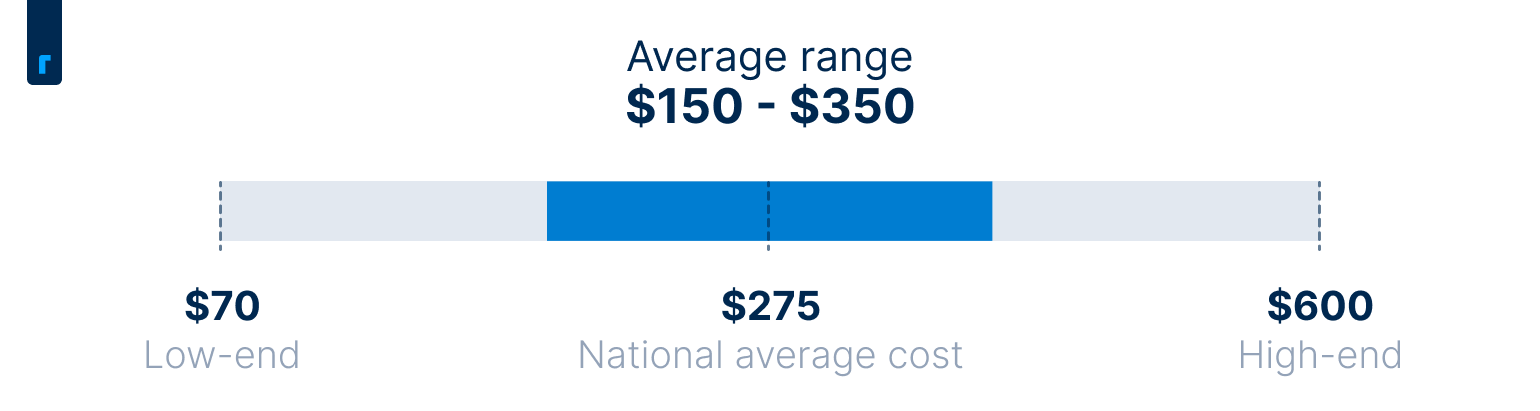
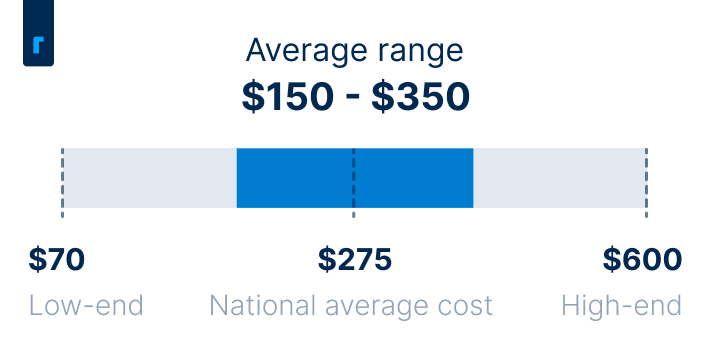
The national average cost of HVAC maintenance is $275, and most homeowners pay somewhere between $150 and $350. Prices will vary based on the type of AC system you have, whether you’re scheduling a one-off service or entering into an annual contract, and whether or not you choose add-on services, like air duct cleaning.
Your HVAC system works year-round to keep your home cool in the summer and warm in the winter. Unfortunately, this can lead to wear and tear, increasing the risk of breakdowns and shortening the system's lifespan. That’s where HVAC maintenance comes in, as it helps your system run smoothly and efficiently, extending the lifespan and potentially reducing operating costs.
Cost of HVAC Maintenance
HVAC Maintenance Cost by Type of Service
A one-off HVAC maintenance service will cost an average of $275, and while you’ll pay more upfront to sign up for an annual maintenance plan, you’ll usually save money in the long run due to discounts for more work you’re guaranteeing your HVAC tech during each maintenance visit.
Annual HVAC tune-up cost: A standard annual HVAC tune-up is a basic, one-off service that you schedule each year or as you see fit. It includes a routine HVAC inspection, lubricating moving components, checking electrical connections, and ensuring general functionality. An annual tune-up costs an average of $275.
HVAC maintenance contract cost: An HVAC service contract costs between $150 and $500 per year. These may include a tune-up, but some just give you discounts on tune-ups. Most will also include discounts on service calls, preferred scheduling, and reduced emergency service fees. Companies can offer other perks, as well.
In general, HVAC maintenance contracts are more expensive, but they provide access to additional benefits. They can also end up saving you money in some cases. For example, if your HVAC system is older, and you expect you’ll need regular repairs, you might save more on HVAC service call costs, which average between $70 and $200 and cover diagnostics and minimal repairs, than you’d pay to secure the contract.
HVAC Maintenance Cost by Type of Unit
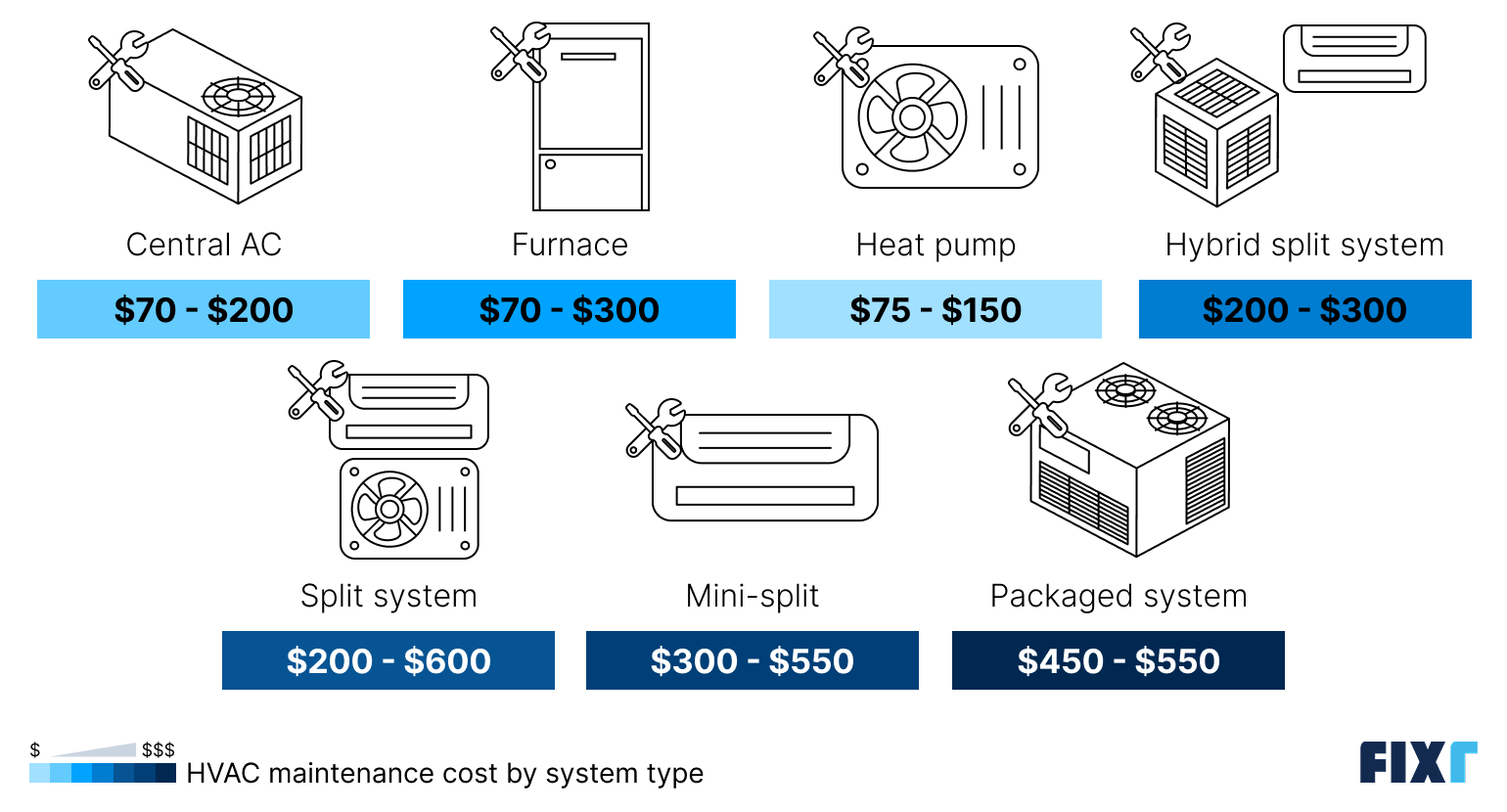
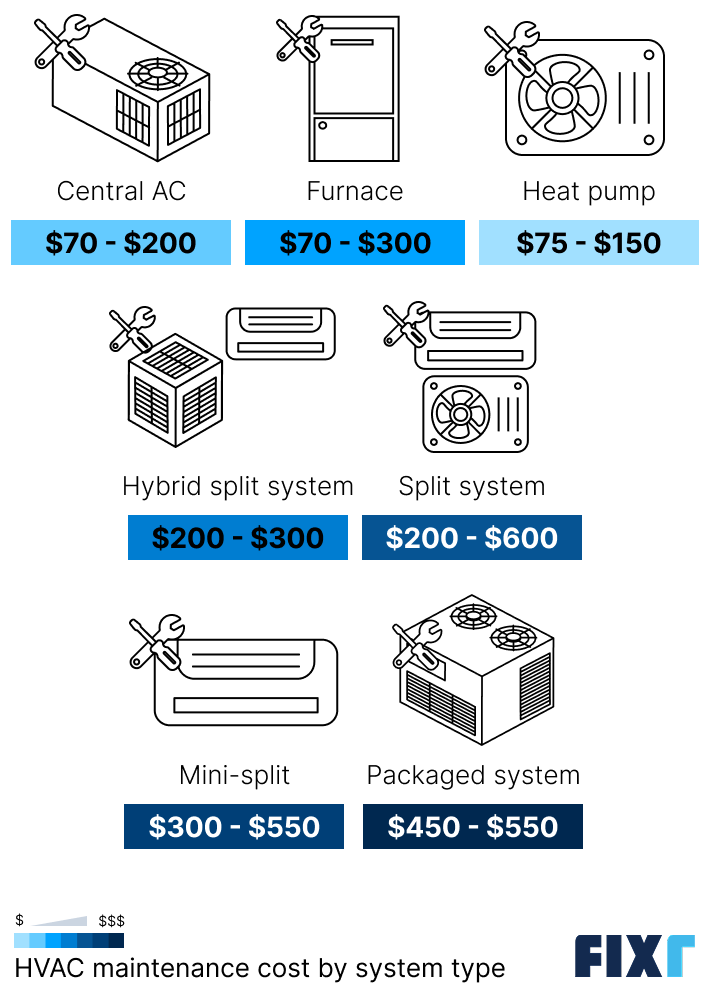
The type of HVAC equipment you have will also play a major role in your maintenance costs. A split system, the most common setup, requires your tech to inspect and service both the heating unit and the cooling equipment. A standalone central AC system or furnace requires half the work and costs much less. The complexity of the equipment matters, too, as traditional heating systems have more moving parts and a higher risk of issues stemming from the burning of fossil fuels.
Type | Cost |
Central AC | $70 – $200 |
Furnace | $70 – $300 |
Heat pump | $75 – $150 |
Hybrid split system | $200 – $300 |
Split system | $200 – $600 |
Mini-split | $300 – $550 |
Packaged system | $450 – $550 |
Central AC
A central AC is one of the simplest systems to service, as it contains only cooling equipment. AC unit maintenance costs fall between $70 and $200. Most homes are required by law to have heating equipment, but it’s possible you may only need services for your AC system if you live in a hot climate and don’t use heat often.
According to the U.S. Department of Energy, focusing on maximizing your AC system’s efficiency can reduce cooling costs by 20% to 50%, so AC services are often worthwhile.
Furnace
A furnace maintenance service costs as little as $70. While servicing a furnace means focusing on one piece of equipment, too, the price can climb up to $300, largely because there’s more that can go wrong with a unit that burns fossil fuels. Your tech will need to check more components for safety and will often spend more time cleaning the unit than they would with a central AC system.
Heat Pump
Heat pumps cost between $75 and $150 for HVAC maintenance, making them some of the most affordable systems to service. Heat pumps use electricity and have fewer moving parts than most other systems. They’re also some of the most efficient options, which helps extend their lifespan and reduce the need for repairs. However, note that heat pump routine maintenance is recommended twice a year, once before the heating season and again before the cooling season, which doubles the total annual maintenance cost.
Hybrid Split System
A hybrid split system uses a heat pump to provide both heating and cooling, but it’s coupled with a more traditional heating system, usually a furnace, to provide ample heating in extremely cold weather. Given the additional components involved, expect maintenance for a hybrid split system to cost between $200 and $300.
Split System
Split systems are the most common HVAC systems, and they can also be the most expensive to service, with maintenance costs sitting between $200 and $600. The potentially high costs are due to the fact that you have a heating system that needs servicing, plus a standalone central AC system that needs its own servicing.
Mini-Split
Mini-splits are a type of heat pump, but the HVAC maintenance costs for mini-splits are usually higher because the systems make use of multiple indoor units, each of which needs cleaning and servicing, and long refrigerant lines that increase the risk of leaks. Maintenance for this type of system costs between $300 and $550.
Packaged System
A packaged system is like a split system, but all of the components for both heating and cooling are contained in a single enclosure. These are more common in commercial settings, but if you have one in your home, expect HVAC maintenance costs to fall between $450 and $550.
HVAC Maintenance Service Cost by Task
In addition to the type of HVAC system you have, the specific services you need can influence your maintenance costs. In most cases, you’ll need to have a tech carry out diagnostics to figure out what the underlying problem is, but if you have an idea what’s going on with your unit, you can estimate based on the specific task.
Many homeowners also choose to couple routine services with add-on services, like air duct cleaning, so you can get an idea of your total if you’re considering those add-ons.
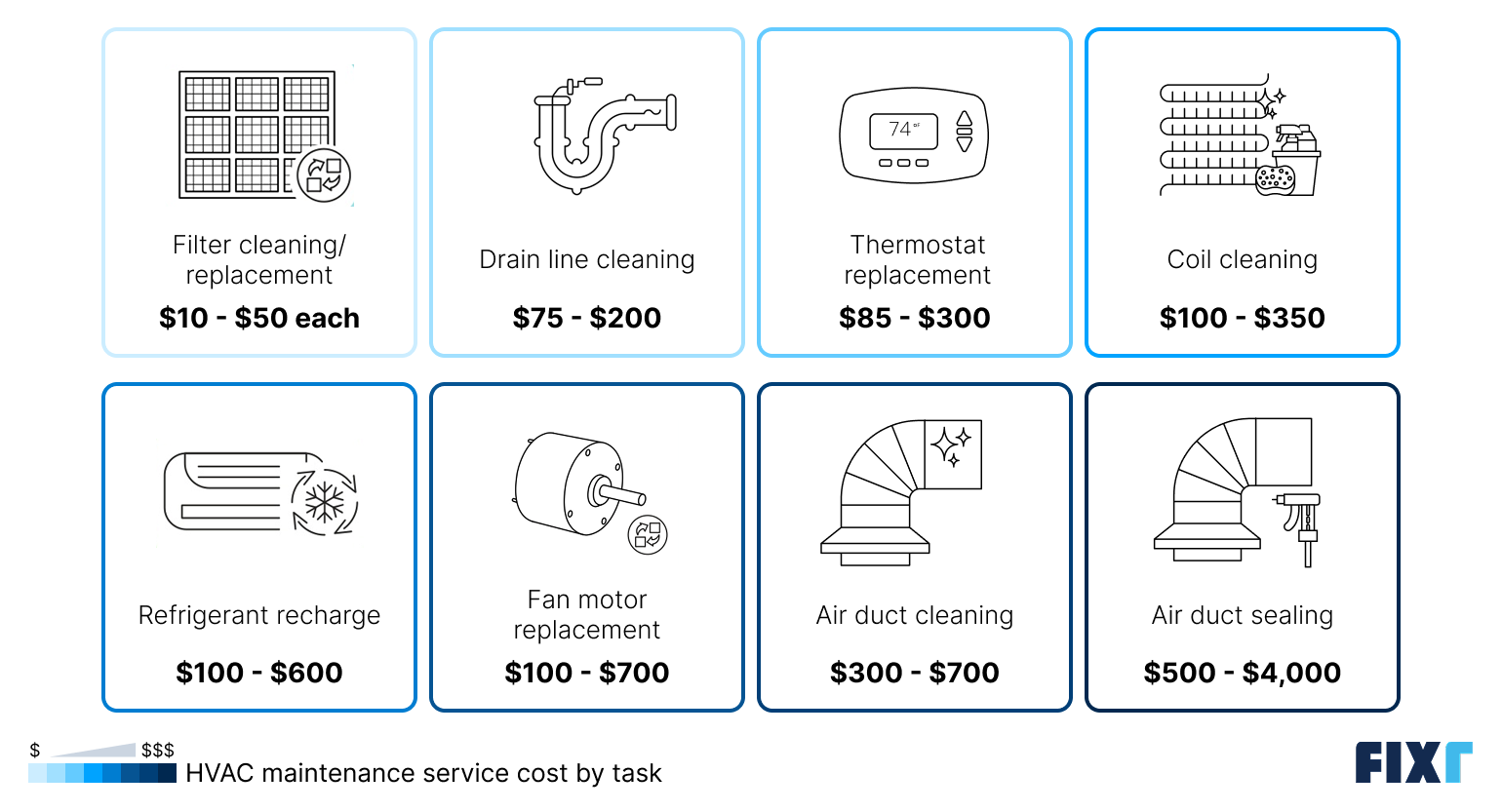
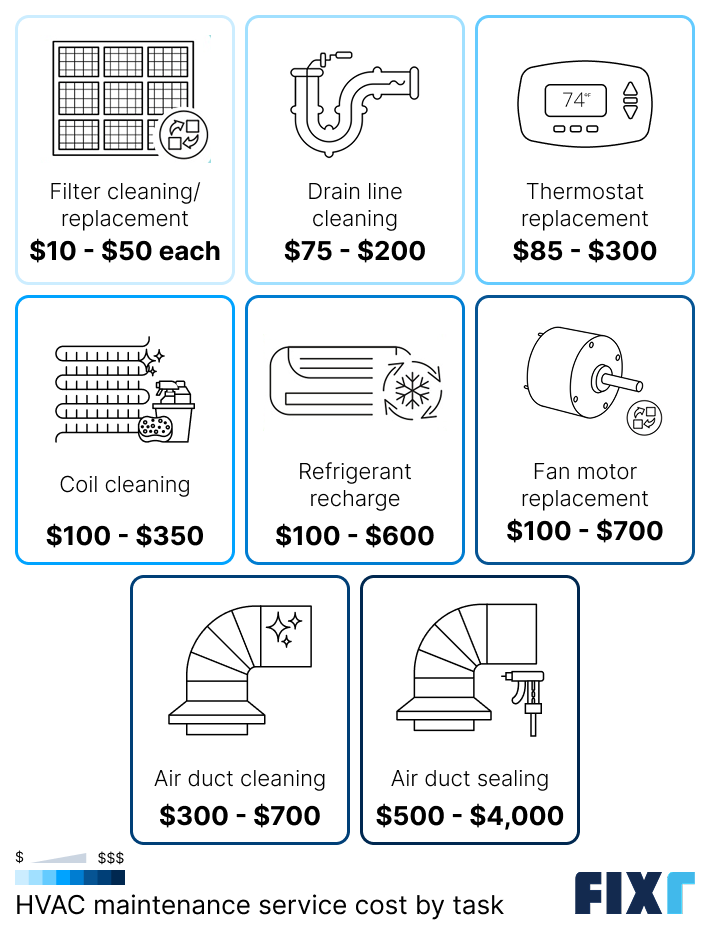
Maintenance Task | Cost |
Filter cleaning/replacement | $10 – $50 each |
Drain line cleaning | $75 – $200 |
$85 – $300 | |
Coil cleaning | $100 – $350 |
$100 – $600 | |
Fan motor replacement | $100 – $700 |
$300 – $700 | |
Air duct sealing | $500 – $4,000 |
Cost Factors
HVAC maintenance costs can range widely because there are many factors at play that can affect your pricing. These factors can cause minor variations in your base costs, but if your tech finds more severe issues that need major repairs, you’ll see much bigger HVAC maintenance price swings based on the additional work you need.
Labor Costs
Labor accounts for nearly all of your total when it comes to HVAC maintenance costs, with just a small portion going toward materials, like filters. HVAC service costs per hour range from $75 to $150, in most cases, but most techs charge flat rates for standard maintenance, like a tune-up.
Location
Where you live can impact your HVAC maintenance costs in several ways. Labor rates are typically higher in major cities and high-cost states, while your local climate affects how hard your system works and how often it needs service or repairs. Additionally, the type of HVAC system common in your area, based on electricity costs and fuel availability, can also influence overall maintenance expenses.
Frequency of Use and Climate
Your climate affects how often you rely on your system. Homes in cooler regions use AC less, leading to lower wear and costs, while systems in hot states like Florida or Texas see heavier use and higher expenses.
Environmental Factors
High pollen or humidity levels can increase maintenance needs, such as more frequent filter changes and duct cleanings. These affect wear and tear, and consequently, your maintenance schedule.
Age of the System
Newer systems run efficiently with minimal upkeep, but older units require more frequent maintenance, and they’re more likely to need repairs that can drive costs higher.
Home Size and Layout
Larger homes need bigger HVAC systems that cost more to repair. The layout of your house may also matter because it can determine how many vents, ducts, and filters require cleaning
How Often Should You Get Your HVAC Serviced?
Most HVAC professionals recommend getting your system serviced at least once a year, but this can mean different things for different types of HVAC systems. For systems that provide both heating and cooling, like a split system or a ductless mini-split, twice-a-year tune-ups are ideal, once in the spring for cooling and once in the fall for heating. Standalone central AC systems should be serviced once in the spring, and standalone heating systems need service once each fall.
These are general guidelines. Climate, system age, and how often you use your system can all affect maintenance needs. You should contact a professional sooner if you notice any of the following:
Unusual noises: Grinding, banging, or squealing sounds often indicate worn or loose components and can lead to reduced efficiency if ignored.
Poor airflow: Weak or inconsistent airflow from your vents may signal a clogged filter or a blower fan problem.
Unexplained increases in energy bills: A sudden spike in utility costs can be a sign that your system is working harder than it should.
Frequent cycling: Systems that turn on and off too often or fail to stay running may have thermostat, electrical, or internal component issues.
Leaks: Moisture or pooling water around your HVAC equipment should be addressed immediately, as leaks can signal underlying problems and lead to mold growth or water damage.
Is HVAC Maintenance Worth It?
While preventative HVAC maintenance may seem like an unnecessary cost, it’s typically well worth the investment. It helps improve energy efficiency, lowers utility bills, and can pay for itself over time. Regular upkeep also extends your system’s lifespan by reducing wear and catching small issues before they become costly repairs. Additionally, maintenance can improve indoor air quality by removing dust and allergens, help prevent breakdowns during peak seasons, and keep manufacturer warranties valid, potentially saving you on repair costs later.
What Does HVAC Maintenance Include?
Preventative HVAC maintenance covers routine services that help your system run efficiently and catch issues early. While exact services vary by system, every tune-up includes inspection, cleaning, and performance testing.
Below are common proactive HVAC maintenance tasks performed during a standard service visit:
Filter replacement or cleaning to improve airflow, efficiency, and indoor air quality.
Coil inspection and cleaning to maintain proper heat transfer in systems like central ACs, heat pumps, and mini-splits.
Refrigerant level checks to ensure efficient cooling and stable operation.
Electrical inspections to tighten connections and check voltage and amperage for safe operation.
Lubrication of moving parts to reduce friction and component wear.
Condensate line flushing to prevent clogs, leaks, and water damage.
Thermostat calibration to ensure accurate temperature control.
For heating systems, preventative HVAC maintenance may also include furnace or boiler cleaning, such as burner cleaning, ignition testing, and heat exchanger inspection.
Services like duct cleaning, duct sealing, and major part replacements (compressors, condensers, thermostats) are typically billed separately and quoted in advance.
DIY vs. Professional HVAC Maintenance
There are some HVAC maintenance tasks that you can do yourself to improve system performance and lengthen the lifespan of your equipment. These include cleaning or changing air filters once every one to three months, dusting around return vents, and cutting plant growth back away from outdoor condensers. All other tasks, like lubricating moving parts, making minor repairs, and tightening electrical connections, should be left to an expert.
A professional HVAC contractor has the specialized tools and expertise to carry out these other crucial tasks. DIY mistakes can lead to costly damage or even safety hazards like fires or gas leaks, so it’s always worth it to hire a pro. A certified HVAC technician can also help identify issues with your system that you might miss as a DIYer, potentially saving you money by avoiding breakdowns, emergency service calls, and more severe repairs.
How to Save Money on HVAC Maintenance
Regular HVAC maintenance can help you save money by extending system lifespan and reducing the risk of costly repairs. While upfront maintenance costs can add up—especially for split systems that require service for both heating and cooling—there are several ways to keep expenses under control.
Handle basic upkeep yourself: Replacing air filters every one to three months and keeping the outdoor unit clear of debris can reduce service time and prevent avoidable repair costs.
Sign up for a maintenance plan: Service plans make HVAC preventative maintenance costs more predictable and often pay off over time, particularly for older systems. Many plans include repair discounts, priority scheduling, and waived service fees.
Compare multiple quotes: Getting at least three estimates from local HVAC companies helps you find the best value, not just the lowest price.
Schedule maintenance in the off-season: HVAC companies are busiest in summer and fall. Booking maintenance in late winter or early spring can sometimes lead to lower labor costs or special discounts.
FAQs
Most HVAC systems should be serviced at least once a year if they only provide heating or cooling. Systems that handle both heating and cooling typically benefit from bi-annual service, with one visit in the spring and one in the fall. More frequent service may be needed in extreme climates or for older systems.
The $5,000 rule is a guideline to help decide whether to repair or replace an HVAC system. Multiply the age of your unit by the cost of the repair. If the total exceeds $5,000, replacement is often the more cost-effective option. This rule isn’t foolproof, so it’s best to confirm the decision with a licensed HVAC technician.
The average cost for HVAC maintenance ranges from $150 to $350, but the total depends on the type of system you have, your climate, the unit’s age, and more.
Yes. Preventative HVAC maintenance improves efficiency, helps lower energy bills, and extends system lifespan. It also allows technicians to catch small issues early, reducing the likelihood of costly repairs. In many cases, proof of regular maintenance is required to keep manufacturer warranties valid.
HVAC maintenance plan costs typically do not include repairs. Instead, your technician will identify issues and provide estimates for the necessary repairs. Many plans do offer discounts on parts and labor, along with perks like priority scheduling and waived service fees.