
Updated: January 29, 2026
Written by Dan Simms
Dan was a property manager from 2015 to 2020, during which time he managed and oversaw the upkeep and repairs of over 2,000 residential properties. He uses that experience, as well as his extensive DIY knowledge, to bring reliable information to homeowners about renovations and home-related projects. Since 2020, he has been using his experience to write about home improvement, and his work has appeared on sites like USA Today, CNN, Angi, and Today’s Homeowner.
Learn moreReviewed by Dan Simms
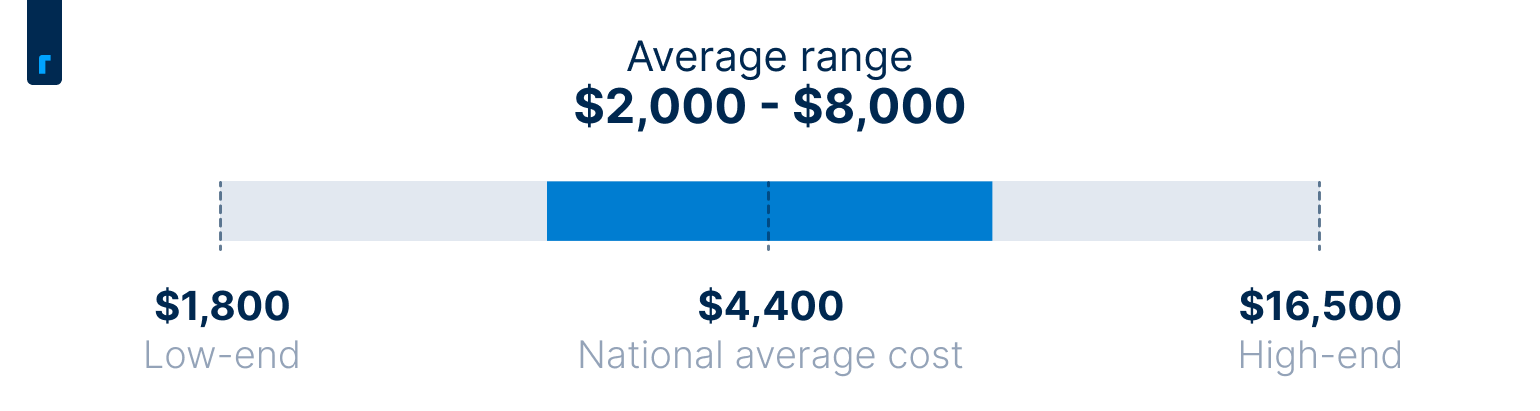
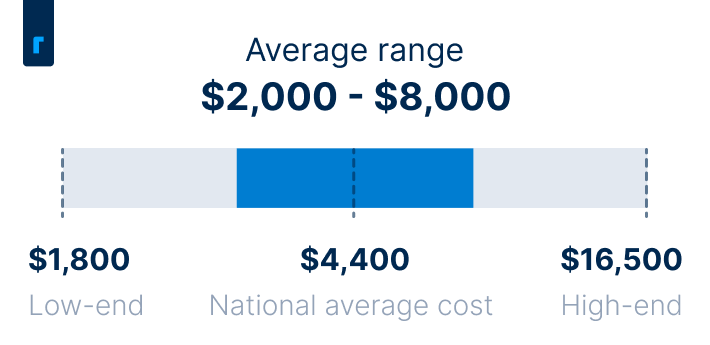
The average cost to install a ductless heat pump is $4,400, and most project costs total somewhere between $2,000 and $8,000. Your costs can climb up to $16,500 or higher if you need more than one outdoor condenser and multiple indoor units to create different zones for heating and cooling.
When it comes to heating and cooling your home, ductless heat pumps are some of the most convenient and affordable options, especially if you don’t already have ductwork installed. Ductless heat pumps provide outstanding energy efficiency, maximum comfort with small, dedicated zones, and the ability to heat and cool with a single system.
Ductless Mini-Split Heat Pump Cost
This guide focuses specifically on ductless heat pumps. For a complete overview of installation costs, efficiency, and types of all heat pumps, read our full heat pump installation cost guide.
Ductless Heat Pump Cost by Number of Zones
The number of zones you want in your home is the most influential cost factor to consider. You’ll pay between $2,000 and $5,000 for the first zone, but each additional zone will add between $2,000 and $3,000 to your total. The cost depends on whether the additional zone requires another outdoor condenser, which will drive up costs significantly. In some cases, you can have a single condenser serve two or more indoor units, which will help keep the cost per zone lower, making it a multi-zone system.
Additional zones let you set individual temperatures in different areas of your home, so ductless systems have the potential to be more efficient than whole-home heating and cooling solutions. Getting the number of zones right can mean lower heating and cooling costs over time, as well as increased comfort throughout your home.
Number of Zones | Cost Range |
1 | $2,000 – $5,000 |
2 | $3,000 – $8,000 |
3 | $5,000 – $11,000 |
4 | $7,000 – $14,000 |
5 | $9,000 – $16,500 |
Key Factors That Influence the Total Cost
The number of zones is a major cost driver, but several other factors can also influence your total installation price. Be sure to consider all of the following to get the most accurate cost estimates possible.
Home Size
The size of your home plays a crucial role in the number of zones you need and also the size and capacity of the condensers and indoor units your professional will install. Ductless systems are sized by BTUs (British Thermal Units) or tons, based on the square footage being heated or cooled.
You can use the table below to get an idea of what size ductless heat pump you need. Keep in mind that these numbers will vary based on demand, ceiling height, the climate in your area, and more, so always contact a professional to get an accurate system size.
Room Size (Sq. Ft.) | BTUs Needed | Cost Range |
150 – 250 | 4,500 – 15,000 | $1,800 – $3,000 |
250 – 350 | 7,500 – 21,000 | $2,000 – $6,600 |
350 – 450 | 10,500 – 27,000 | $2,500 – $8,500 |
450 – 600 | 13,500 – 36,000 | $3,000 – $11,500 |
600 – 1,000 | 18,000 – 60,000 | $5,500 – $13,000 |
Efficiency Rating
Ductless heat pumps are highly efficient and can lower heating and cooling costs compared with traditional central systems, but efficiency varies between models and affects both upfront and long-term expenses. Cooling efficiency is measured by SEER or SEER2, while heating efficiency uses HSPF. Units with higher SEER and HSPF ratings typically cost more upfront but consume less electricity for the same amount of heating or cooling, reducing utility bills over time.
According to the U.S. Department of Energy, ENERGY STAR-certified ductless heat pumps have SEER ratings of 15 or higher and HSPF ratings of 8 or higher. Choosing a model that meets or exceeds these standards will help maximize indoor comfort and energy savings in the long run.
Brand
The brand you choose affects both upfront and installation costs. Budget-friendly brands like Rheem and Daikin are usually cheaper, while premium brands like Mitsubishi and Fujitsu can cost more. Each brand offers options at different price points, and higher-end models often include features like quieter operation, smart controls, and advanced energy efficiency, which can save money on energy bills and long-term maintenance.
Installation Complexity
The cost of installing ductless heat pumps also varies widely based on how complex the installation is. Factors that impact this include the number of outdoor units needed, the accessibility for running refrigerant lines, how the outdoor units are mounted (wall vs. ground), and the overall layout of your home. Complex layouts that require running refrigerant lines over long distances or through walls can significantly increase both labor and material costs.
Ductless Heat Pump Installation Cost
On average, you can expect to pay between $300 and $2,000 to go toward labor alone when you install a single-zone system, which means labor accounts for between 15% and 25% of your total. Most professionals will charge flat fees based on the number of units you need and the complexity of the installation, but some may charge hourly rates of between $60 and $150.
Additional Costs
There are a few other small factors you should consider when pricing out your ductless heat pump installation costs.
Electrical upgrades: Ductless heat pumps use electricity to transfer heat to and from the exterior of your home, so you may need to upgrade your electrical panel to support the added load. Upgrading to 200-amp service costs between $1,300 and $3,000, and installing a subpanel costs between $400 and $2,000.
Permit fees: Most municipalities require permits for any substantial updates to mechanical systems, including heating and cooling equipment. Permit fees vary based on your location and the fee schedule your building department uses, but most homeowners will pay somewhere between $250 and $400.
Local regulations: Some states and more local municipalities have requirements for energy efficiency ratings for all HVAC equipment. If you’re mandated to purchase a system with a minimum efficiency rating, that could affect your total.
Removing old HVAC equipment: If you already have ductless heat pumps installed, you’ll first have to pay your pro to remove them and haul them away. Prices can vary widely based on the number of units you have, but expect to pay between $50 and $200 each, in most cases.
What Size Ductless Heat Pump Do I Need?
There’s no one-size-fits-all sizing model for ductless heat pumps because there are many factors that influence the output you need for your home. Your home size is a major factor, but your local climate and your heating and cooling demands can also play important roles in determining your ideal system size.
A good rule of thumb to start with is to estimate your required system size based on your climate zone and your home’s square footage. The numbers below are ballpark estimates to give you a general idea of the BTUs you may need. While this calculation can give you a quick estimate for the output you’ll need, you should always contact a professional ductless heat pump installer to get an accurate system size. They’ll consider things like your insulation quality, ceiling height, your living habits, and more.
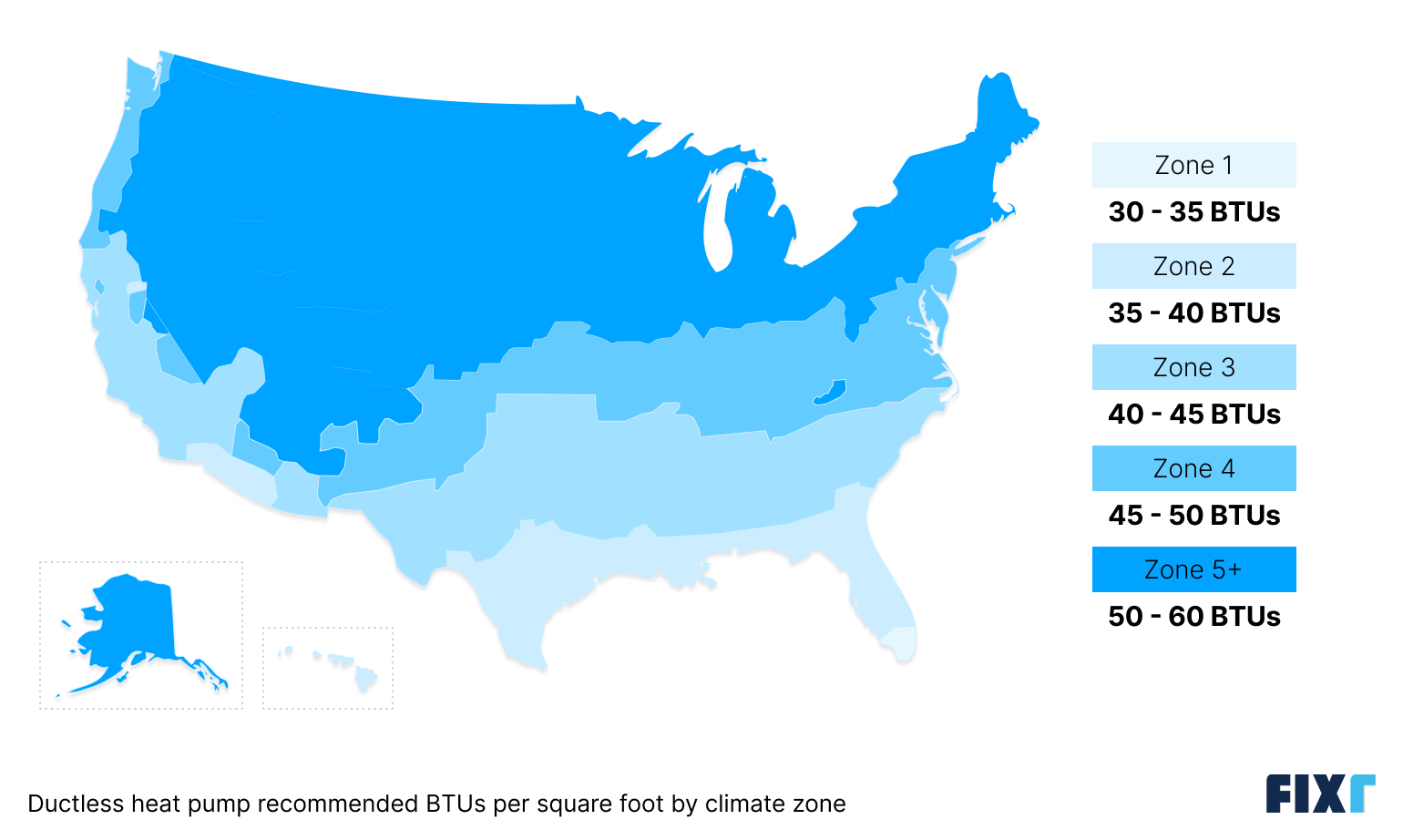
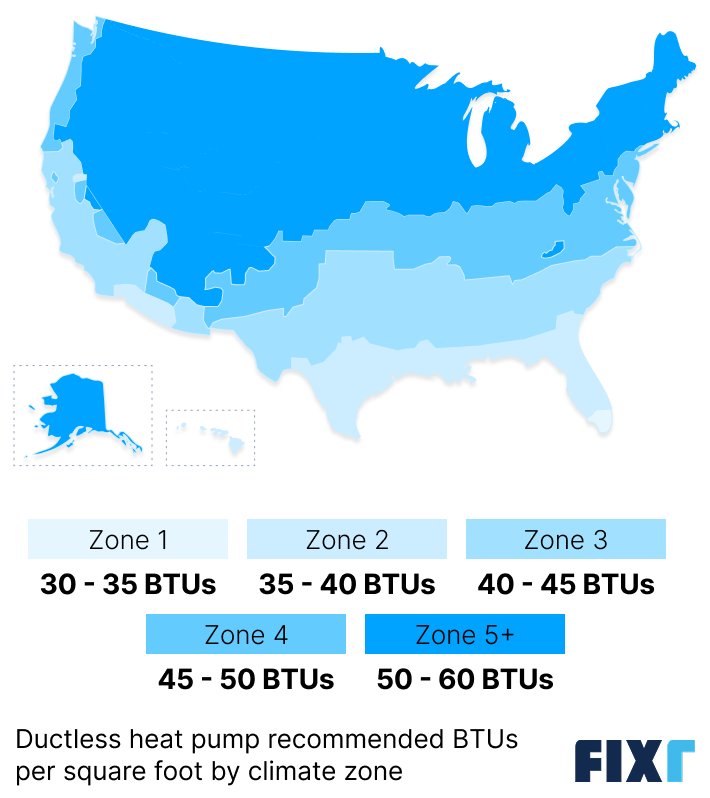
Climate Zone | Recommended BTUs per Sq.Ft. |
Zone 1 | 30 - 35 BTUs |
Zone 2 | 35 - 40 BTUs |
Zone 3 | 40 - 45 BTUs |
Zone 4 | 45 - 50 BTUs |
Zone 5 | 50 - 60 BTUs |
DIY vs. Hiring a Pro
Installing a ductless heat pump is not recommended as a DIY project. The process involves high-voltage electrical work, regulated refrigerants, and permit requirements that usually apply only to licensed HVAC contractors. While plug-and-play systems exist, improper installation can still lead to safety risks, poor performance, and voided manufacturer warranties.
A professional installer has the expertise to correctly size the system for your home, ensure proper placement for optimal performance, and comply with all local building codes. Ultimately, hiring a pro ensures your safety, protects your investment, and guarantees the system operates at its peak efficiency, so hiring an expert is always worth it.
How to Save Money on Your Ductless Heat Pump
While DIYing isn’t usually a good idea, there are a few ways to reduce the overall cost of your ductless heat pump installation short of avoiding labor costs.
Take advantage of tax credits and rebates: Research federal, state, and local utility rebates and incentives for high-efficiency ductless systems. At the time of writing, heat pumps are eligible for the Energy Efficient Home Improvement Credit, which provides up to a $2,000 tax credit for your installation. You can also check the Database of State Incentives for Renewables and Efficiency (DSIRE) for local rebates and other incentives.
Schedule off-season installation: HVAC contractors often charge more in the summer and winter, when breakdowns and emergency services mean busy schedules and high demand. Scheduling your installation for the spring or fall can lead to potential savings on labor costs.
Get multiple quotes: Compare at least three estimates to find the best value and avoid unusually high or low pricing.
Consider long-term energy savings: While upfront costs are higher, ductless heat pumps can reduce annual heating and cooling expenses by 30–50%, helping offset installation costs over time.
According to the U.S. Department of Energy, homeowners switching from a system that uses natural gas for heat can save more than $550 per year by switching to a heat pump, and those switching from fuel oil or propane can save upwards of $2,800 annually.
Ductless Heat Pump Cost vs. Other HVAC Systems
If you’re choosing a heat pump as part of a new heating and cooling system, you may see savings compared to other HVAC options, even if you’re not switching fuel sources. The table below compares ductless heat pumps with other common systems based on upfront costs, energy efficiency, installation complexity, and aesthetics.
System | Ductless Heat Pump | Central AC | Window Units | Geothermal Heat Pump |
Upfront Costs | $2,000 to $8,000 | $5,000 to $12,000 | $150 to $800 | $11,000 to $38,000 |
Energy Efficiency | High | Medium (Varies greatly by age and SEER rating). | Low | Very High |
Aesthetics | Indoor wall or ceiling units are visible but compact and sleek. | Hidden from view within ductwork and vents. | Bulky units installed in windows, blocking light and views. | All components are hidden, either indoors or underground. |
Installation Complexity | Moderate; requires a small hole in the wall to connect indoor and outdoor units; no ductwork needed. | Invasive; requires extensive ductwork, which can be invasive and costly to install. | Simple; just requires a window. | Extremely complex; requires drilling or excavation for underground loops. |
Best Suited For | Homes without existing ducts, room additions, or zone heating/cooling. | Large homes or homes that already have existing ductwork. | Single rooms or temporary cooling needs. | Homeowners with large plots of land and a high upfront budget. |
Ductless heat pumps offer a strong balance between upfront cost, energy efficiency, and long-term savings. Because they don’t rely on ductwork, they avoid energy losses common in central systems and eliminate the need for invasive duct installation.
They’re a particularly good option for homeowners looking to lower utility bills, control temperatures by room, or transition away from older systems such as baseboard heating, radiators, or traditional ducted HVAC systems.
Pros and Cons of a Ductless Heat Pump System
A ductless heat pump system is one of the best options for efficiency and comfort, but there are some drawbacks to consider, too. Make sure you think about all of the following pros and cons before committing.
Pros
- + Up to 60% more efficient than traditional systems since there’s no energy loss through ductwork.
- + Allows room-by-room temperature control, reducing energy waste in unused spaces.
- + Can improve indoor air quality since there’s no ductwork to trap dust and allergens.
- + Operates very quietly compared to window ACs and traditional systems.
- + Works well in homes without ductwork and for room additions.
Cons
- - Higher upfront cost than window ACs, baseboard heating, or simple electric systems.
- - Indoor units are visible and typically mounted on walls, which some homeowners may find unattractive.
- - Requires regular filter cleaning on each indoor unit.
- - May need auxiliary heating in extremely cold climates.
FAQs
Yes, ductless heat pumps are a worthwhile investment for many homeowners. While ductless systems have a higher initial cost than some alternatives, they offer high efficiency, lower long-term energy costs, and benefits like zoned comfort, quieter operation, and improved indoor air quality.
The cost to run a ductless heat pump varies based on the unit's size, efficiency, and your local climate. On average, homeowners can expect to pay anywhere from $170 to $1,200 per year in operating costs.
The terms “mini-split” and “ductless heat pump” are often used interchangeably. A mini-split is a common type of ductless heat pump that typically provides both heating and cooling. Some ductless heat pumps may offer only heating or cooling, but mini-splits are the most widely used ductless heat pump systems.
With proper maintenance, a ductless heat pump typically lasts 15 to 20 years, though some models can last for up to 30 years. Lifespan depends on system quality, usage frequency, and local climate conditions.
Some ductless heat pumps are marketed for DIY installation, including systems with pre-charged refrigerant lines. However, professional installation is usually the better option. Installation involves electrical work, refrigerants, and proper system sizing, and mistakes can lead to safety risks, poor performance, and a shortened system lifespan. Hiring a licensed professional ensures safe installation and optimal performance.