
Women are tirelessly working to demonstrate they can be as integral to the roofing industry as their male counterparts. While men significantly dominate the roofing industry, the presence of women is growing, leading to a more diverse and enriched industry that reflects broader changes in construction and skilled-trade fields.
To celebrate the 10th annual National Women in Roofing Days event, we gathered the latest facts and statistics about women in roofing, highlighting the challenges they face within the industry and the opportunities this sector holds. Alongside these insights, we’ve included perspectives from women thriving in the industry:
Amy Koch - COO, Roof Maxx
Anna Weissmann - Community & Communications Manager, RoofVantage
Brooke Laizure - Owner, Whirlwind Roofing & Construction
Heather Estes - Senior Codes & Regulatory Compliance Specialist, GAF
Heidi J. Ellsworth - President, RoofersCoffeeShop
Rachel Narveson - Founder & CEO, Proficient Construction
Key takeaways:
Women make up approximately 5% of the roofing workforce.
Despite a steady percentage, total employment numbers are rising, with 2,000 more women entering the field this year.
While installation remains male-dominated, women are carving out significant niches in technical and operational roles, such as roofing machine operators, where they now hold 11% of positions.
Opportunities for women in the roofing industry are expanding rapidly in leadership, sales, operations, and marketing.
Presence of Women in the Roofing Industry
 Approximately 5% of roofers are female, highlighting a significant gender disparity within the industry. This means that out of a total of 308K roofing employees, only 15K are female. The reasons behind this statistic are complex, potentially involving factors such as industry perceptions, gender biases, and barriers to entry. Even though the share of women in the industry remains unchanged, with overall employment growth, there are approximately 2,000 more women working in roofing compared to the previous year.
.png)
2017–2019: Percentages increased noticeably from 2017 to 2018 before taking a dip in 2019.
2020 Anomaly: There was a clear anomaly in 2020 as the pandemic hit, and women suddenly made up approximately 12.5% of the roofing workforce. During this period, industries with relatively small shares of women employees, such as construction, experienced smaller job declines than other sectors. Within construction, 15% of male employees lost their jobs, compared to 11% of female employees.
2021–2026: Despite the anomaly in 2020, the percentage of women in roofing has since reverted to levels similar to those in 2016, stabilizing around 5%.
Comparative Analysis: Women in Construction Roles
 When compared to some other male-dominated sectors, roofing is slightly ahead in terms of gender balance. Women hold only 3% of HVAC technician or plumber jobs, and only 4% of carpenter or electrician jobs. And when we take a closer look at different jobs within roofing, women are bucking the trends of gender norms. For example, 11% of roofing machine operators are women.
Challenges Women Face in the Roofing Industry and How to Address Them
Women in roofing still face credibility gaps, limited visibility in leadership, and fewer informal networks compared to men. These challenges are addressed through intentional mentorship, equal access to leadership opportunities, and companies being deliberate about promoting based on performance, not perception.
The Credibility Gap and Unconscious Bias
Despite their expertise, many women in roofing encounter a persistent "credibility gap." As Ellsworth notes, "Women in roofing still face challenges such as underrepresentation in leadership and field roles, unconscious bias, and the need to consistently prove credibility in a traditionally male-dominated industry."
This often manifests as a perception of technical incompetence. Weissmann explains, "There’s often an assumption that if you’re a woman you’re less technical or less knowledgeable, regardless of your role or experience... women can sometimes find themselves needing to prove their expertise more quickly or more often than their male counterparts."
Laizure highlights a frustrating irony regarding qualifications: "There is a bias that we are not as qualified or smart as our male peers, when most of the women I know in the roofing industry are extremely knowledgeable, qualified, and hold more certifications than our male peers." She adds that women bring a unique "superpower" to the table, being "detail-oriented" and deeply caring about customers.
How to address this: Weissmann suggests that "addressing these challenges starts with representation and leadership. When companies intentionally support women in visible roles... it helps normalize women as experts in this space." Narveson agrees, adding that these issues can be solved through "intentional hiring and promotion practices, visible female leadership, and creating workplace cultures that value diverse perspectives and respectful collaboration."
Awareness and Mentorship Shortfalls
A significant hurdle is the narrow perception of what a career in roofing actually looks like. Heather Estes points out a "lack of awareness of existing opportunities within the roofing industry and a lack of mentorship. Many areas of roofing go beyond installation, which is what people think about when they hear 'roofing.' However, there are so many other ways to be involved and successful in this industry that aren't on the roof."
How to address this: Estes emphasizes that "as an industry, we need to continue fostering rising talent and training the next generation of roofers." This includes highlighting the technical, managerial, and innovative roles that exist off the roof.
Pay Inequity and Lack of Flexibility
The industry also struggles with structural issues that disproportionately affect women. “Pay inequity also continues to exist and, surprisingly, this can be seen even at the highest levels within organizations,” says Ellsworth. “In addition, women frequently carry the primary responsibility for caregiving, not only for children but also for aging parents. Many roofing industry roles lack the flexibility needed to balance these responsibilities alongside demanding work schedules.”
How to address this: Closing these gaps requires a structural shift. It requires "intentional hiring practices, equitable compensation structures and more flexible work environments that acknowledge the realities of modern family responsibilities," according to Ellsworth.
Opportunities for Women in Roofing
Based on our expert insights, here is a look at the promising opportunities for women in roofing:
The modern roofing landscape has evolved far beyond the roof deck, opening doors for women with diverse professional backgrounds. Ellsworth notes that "all roles within the roofing industry are promising for women," spanning everything from manufacturing and field work to technical services, sales and executive leadership. “More women are stepping into ownership and leadership roles, taking control of their futures and achieving both financial and professional independence,” she added.
For those interested in the operational and technical side of the business, the opportunities are vast. Narveson points out that "project management, operations, estimating, sales, safety, and leadership roles are especially promising," noting that in these roles, "strong communication, organization, and strategic thinking are just as critical as technical knowledge."
Laizure highlights specific, high-growth roles such as "job estimating, FORTIFIED Roof coordination and installation, and ownership." She also makes a compelling case for the industry's longevity: "As a blue-collar trade, we aren’t affected by AI as much as a typical corporate job, so roofing is definitely here to stay!"
The shift toward a more "data-driven" industry is creating specialized niches. Koch mentions that "sales leadership, operations, customer experience, marketing, technology, and sustainability-focused roles" are areas where women can lead effectively, often without needing a traditional trade background.
Furthermore, as the industry prioritizes branding and homeowner trust, Weissmann notes that "sales, community outreach, marketing, project management, and operations" are thriving areas where women bring "strong, valuable skill sets."
For the next generation of professionals, the future may lie in the lab. Estes sees a bright future in Research and Development: "With an increase in female engineers and scientists, I think there are a variety of promising careers in R&D and innovation for roofing products. Innovative solutions for the evolving needs of the roofing industry offer a promising and essential path forward."
How Women Are Transforming Roofing Businesses
Women are fundamentally shifting the way roofing companies operate and interact with their communities. In an industry that relies heavily on referrals and reputation, the unique perspectives women bring are proving to be a significant business asset, particularly regarding consumer trust. Weissmann observes, “One surprising aspect is how much women contribute to building trust with homeowners. Roofing is often an overwhelming and stressful process, and many customers appreciate clear communication, empathy, and education. Being a woman in this industry can help break down intimidation and lead to more honest, comfortable conversations.”
By prioritizing education and empathy, women are helping to rebrand the industry as one centered on service and transparency. This impact extends to the very core mission of the trade, where the focus remains on the quality of the protection provided to the client. As Estes puts it, “Our work delivers a tangible real-world impact. Beyond designing and installing roofing systems, we provide the essential protection that families and businesses rely on most.”
Real-Life Stories: Proudest Moments in Roofing
The true measure of progress in the roofing industry isn't found in a spreadsheet, but in the stories of the women who are proving every day that expertise has no gender. We asked these leaders to share the specific milestones and achievements that define their experience as women in the roofing industry.


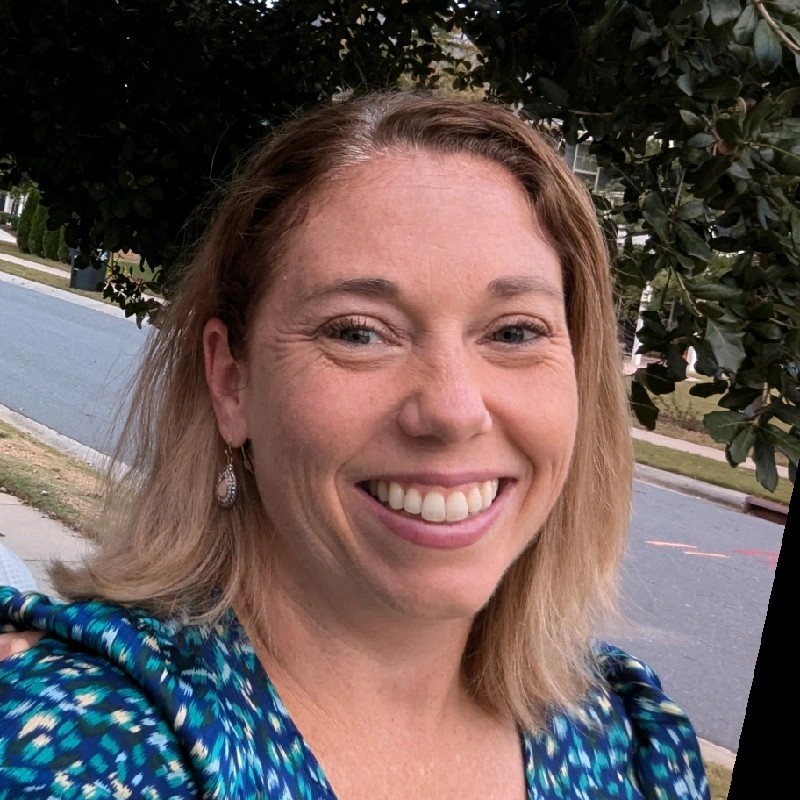
Being voted the inaugural Rising Star by my peers at National Women in Roofing remains my proudest moment as a woman in this industry. While I strive to live up to that 'Shine Bright' motto by supporting others, the true reward has been the meaningful connections I've formed with fellow Rising Stars, which have profoundly enriched both my life and career.
-1768312228.jpg)
What’s made me feel most proud has been working on the marketing and social side of RoofVantage and being able to bring creativity into an industry that’s traditionally been very straightforward and male dominated. Roofing is often viewed as “boring,” but turning it into something engaging, fun, and visually compelling has been incredibly rewarding. Bringing a fresh perspective through social media, branding, and community-focused storytelling has shown that roofing doesn’t have to feel boring. Adding creativity and personality to how we market has helped connect with homeowners in a new way.

Support for Women in Roofing
19% of the total people interested in becoming roofers are women, which is 1% higher than last year. This statistic highlights a growing interest, but there is still work to be done to attract more talent in the field. Narveson states, “I’ve seen meaningful progress in terms of visibility, support networks, and industry conversations around inclusion. Organizations and initiatives focused on women in construction have helped create community and open doors, though there is still room to grow.”
Ellsworth says that “Organizations such as National Women in Roofing have given women a strong voice, access to mentorship and opportunities for positive career growth.” Here are some organizations actively supporting women in roofing. They offer a wide variety of programs like education, mentoring, community service, career advice and recruitment, networking, recognitions, and awards.
The Future of Women in Roofing
The roofing industry has officially moved past its history as a "men-only" club. While hurdles like the credibility gap and pay inequity persist, the rise of female-led companies and an increasing demand for diverse skill sets ensure that women are not just joining the industry—they are leading its evolution.
This trajectory is marked by a surge in visibility and professional independence. As Ellsworth notes, "More women are stepping into ownership and leadership roles, taking control of their futures and achieving both financial and professional independence."
This shift is increasingly visible on the ground. According to Estes, "While women were once virtually invisible on job sites, they are now making tangible strides in leadership and technical participation." She further credits social media as a powerful catalyst for this cultural change: "Women in roofing are finding one another, sharing knowledge, and building supportive communities."
FAQs
As of 2026, approximately 5% of the roofing workforce is female. While this reflects a significant gender disparity, it represents roughly 15,000 women currently working in the field.
Yes. While women are more heavily represented in "off-the-roof" roles, such as project management, job estimating, and sales, they are also active in field labor and technical operations. In fact, women make up 11% of roofing machine operators, proving that they are increasingly involved in the technical and physical aspects of the trade.
Yes, there are several dedicated financial aids and programs designed to support women entering the industry:
National Women in Roofing (NWiR) Scholarships: They frequently offer scholarships for women to attend industry conferences and pursue further education.
The NWiR "Day" Scholarship: Specifically helps women attend the annual National Women in Roofing Day for networking and training.
NAWIC (National Association of Women in Construction) Founders' Scholarship: Provides financial assistance to women pursuing construction-related degrees or trade certifications.
Manufacturer Grants: Companies like Beacon (through their Female Roofing Professional Competition) and GAF often provide training grants or prize-based support for female professionals.
Irena is an industry analyst and content specialist at Fixr.com, where she transforms complex data into clear insights that help readers make smarter financial decisions. She holds a degree in Economics and has been conducting personal finance research since 2018, bringing a strong analytical foundation to her work. Her insights have been featured in reputable outlets such as the Washington Examiner, Yahoo Finance, Fox40, and Forbes.
Read more